
Condo financing rules changed in 2026, and the changes touch every Florida Keys buyer considering a condominium. Fannie Mae and Freddie Mac retired the fast-track condo project review, raised the reserve funding standard, and moved more condos into a fuller lender review. If you are buying a condo from Key Largo to Key West, these changes affect your timeline, your HOA fees, and in some cases whether the project can be financed at all.
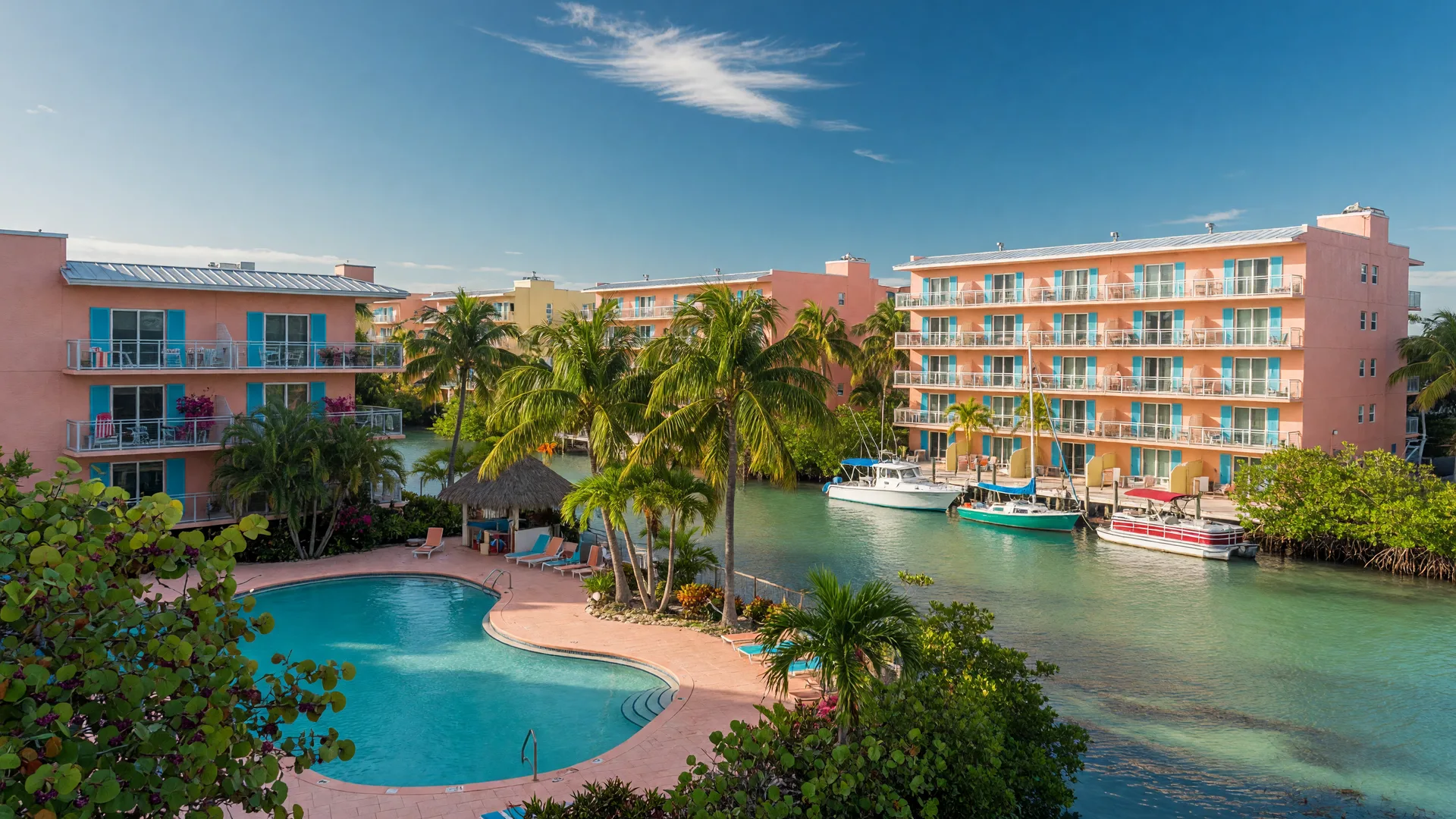
This guide walks through what actually changed in 2026, why it matters specifically for Keys condos, and what to ask before you make an offer. It builds on my complete guide to condo financing in the Florida Keys, which covers project approval, warrantability, and insurance in depth.
The Big Picture: A Coordinated Set of 2026 Changes
In March 2026, Fannie Mae issued Lender Letter LL-2026-03, a coordinated set of policy changes developed alongside Freddie Mac. The changes reshape how condo projects are reviewed and how much money associations must hold in reserves. Two dates matter for buyers: August 3, 2026, when the fast-track project reviews were retired, and January 4, 2027, when the higher reserve requirement takes effect.
The stated goal is a more thorough, better-documented review of condo projects. The practical effect for the Florida Keys, where condos are the most common housing type, is that financing a condo now takes more documentation, more time, and closer attention to the association's finances.
The Fast-Track Condo Review Is Gone
For years, many established condo projects qualified for a streamlined approval. Fannie Mae called it Limited Review; Freddie Mac called it Streamlined Review. Both fast-track options were retired for loan applications dated on or after August 3, 2026.
What this means: an established project with more than 10 units now generally defaults to a Full Review, unless it qualifies for a waiver. Full Review requires complete association documentation, including financial statements, the insurance policy, the reserve study, and the condo questionnaire that the association's management company or board must complete.
There is an important exception for small projects. A Waiver of Project Review is now available for new and established projects with 10 or fewer units, with added conditions for projects in the five-to-ten-unit range. This matters in the Keys, where many smaller complexes of fewer than a dozen units are common. A small complex may be able to avoid the full documentation path, which can mean a simpler closing.
The 15% Reserve Rule: The Change That Affects Your HOA Fee
The single most financially significant change is the reserve requirement. Fannie Mae and Freddie Mac are raising the minimum replacement-reserve allocation for condo associations from 10 percent to 15 percent of the association's annual budgeted assessment income, effective for loan applications dated on or after January 4, 2027.
Associations that fall below this threshold risk losing their warrantable status, which would make conventional financing unavailable for units in the project. To meet the 15 percent requirement, an association can fund reserves directly or rely on a professional reserve study, but the conditions are stricter than before. The budget must include the reserve study's highest recommended reserve funding plan, and the older baseline funding method is no longer permitted as of August 3, 2026.
For buyers, this is a budgeting issue as much as a financing one. Associations that were funding at the minimum will need to collect more each year, and that money comes from HOA fees or special assessments. Before you make an offer on a Keys condo, ask what percentage of the annual budget currently goes to reserves and whether the association is on track to meet the 15 percent standard.
What the Investor Rule Changes Mean for the Keys
The 2026 changes also retired two investor-related limits. Fannie Mae dropped its 50 percent investor-concentration limit on investor loans in Full Review projects, and Freddie Mac dropped its 50 percent owner-occupancy requirement for established projects. This sounds like good news for a market like the Keys, where many condos are second homes and vacation rentals.
But it is important not to overread the change. Dropping the guideline limit does not mean every lender ignores occupancy. Individual lenders still set their own standards, and the guidelines for second homes and investment properties still apply. A complex with heavy short-term rental use is still reviewed on its own merits, and lenders can still require more documentation for a building they see as higher risk. The bottom line is that occupancy and rental use remain factors, just not at a single hard guideline number.
Florida's Structural Requirements Still Apply
The 2026 Fannie and Freddie changes layer on top of Florida's own condo safety rules, which have been in effect since the Surfside collapse. These requirements shape how much money associations must set aside and whether a building passes lender scrutiny.
- Milestone inspections. Condo buildings three stories or taller must complete a structural inspection by December 31 of the year they reach 30 years old, or 25 years for buildings within three miles of the coast. In the Keys, that coastal threshold applies to nearly everything. Inspections repeat every 10 years, and required repairs must be completed within 180 days of being identified.
- Structural Integrity Reserve Studies (SIRS). Associations must commission a reserve study covering eight structural components, including the roof, load-bearing structure, waterproofing, windows, and doors. For budgets adopted on or after January 1, 2025, owners can no longer vote to waive or reduce reserve funding for these components.
- Relief for smaller buildings. Under HB 913 and SB 690, condos five stories or less may opt out of the inspection requirement and vote to waive or reduce the mandated reserves. Boards may also fund reserves through loans or lines of credit with majority owner approval, or defer SIRS funding by up to two years.
The result is that HOA fees in many Keys complexes have risen as associations catch up on reserves and repairs. See the condo financing guide for a full breakdown of how the post-Surfside rules affect buyers.
How the Changes Affect Your Closing Timeline
Because more Keys condos now go through Full Review, the condo questionnaire and the association's response time have become a bigger part of your closing schedule. Some associations take 30 days or more to return a completed questionnaire, and the new requirements ask for more documentation than before.
If you are buying a condo, start the project review process the day your offer is accepted. Ask your lender to confirm early whether the project qualifies for a waiver (if it has 10 or fewer units) or will need a full review, and budget extra time in your contract for the association to respond. For the full picture of everything you will pay at the closing table, see the cash to close guide.
What This Means for Different Keys Buyers
The 2026 changes affect buyers differently depending on the loan program and the use of the property.
First-Time and FHA Buyers
If you are using an FHA loan, the condo project must be on the FHA-approved list. The 2026 Fannie and Freddie changes do not change FHA's own project approval, so confirm the project's FHA status before you make an offer. Many Keys complexes are not FHA-approved, which is a common hurdle for first-time buyers.
Second Home Buyers
For second home purchases in projects of 10 or fewer units, the new waiver can simplify things considerably. Larger projects still need a full review, so factor in the extra documentation and time.
Investors and DSCR Borrowers
Investors buying a Keys condo as a rental often use DSCR loans, which qualify on rental income. The dropped investor-concentration guideline helps some investor borrowers, but the project still has to meet the lender's standards. See the DSCR guide for vacation rentals for the full picture.
Jumbo Buyers
Monroe County's conforming loan limit is the highest in Florida at $990,150 for 2026, so many Keys condos can still use conventional financing. Condos above that level need a jumbo loan, and jumbo lenders run their own project review. Given the price points across Key West, Key Largo, Islamorada, and Marathon, jumbo financing is common for Keys condos.
Questions to Ask Before You Make an Offer
Before you commit to a Keys condo in this new review environment, get these answers:
- How many units does the project have, and does it qualify for the new waiver for 10 or fewer units?
- What percentage of the annual budget currently goes to reserves, and is the association on track to meet the 15 percent standard by January 4, 2027?
- Does the association have a current Structural Integrity Reserve Study, and is it fully funded?
- Has the building completed its required milestone inspection, and what did it find?
- Is the project on the FHA-approved or VA-approved list if you plan to use one of those programs?
- How long does the association typically take to complete a condo questionnaire?
Frequently Asked Questions
Did Fannie Mae and Freddie Mac change condo financing rules in 2026?
What is the new 15 percent condo reserve requirement?
What is Full Review for a condo loan?
Are small condo projects in the Keys easier to finance now?
How do the 2026 condo rule changes affect HOA fees in the Florida Keys?
Ready to Navigate the New Condo Rules?
The 2026 condo financing changes add documentation and time to the buying process, but they do not change the fundamentals: the Keys remain a wonderful place to own a condo, and condos are still one of the most accessible ways into the market. The key is knowing how the new rules apply to the specific project you are considering.
I finance condos all over the Florida Keys and track these rule changes as they land. If you are considering a condo purchase anywhere from Key Largo to Key West, let us review the project together before you make an offer so there are no surprises at the closing table.
Get Pre-Approved or Contact Me
Written by Austin Edwards, NMLS #2639747, Ocean Blue Lending
Published September 16, 2026
Condo Financing Guide · Condo Financing Learning Center · Condo Loan Program · Learning Center